
Home Ethernet: Buffering Checks Guide
Practical buffering checks steps for Home Ethernet: what to check on the device, how to test playback and when to contact Dream 4K support.
This guide covers Home Ethernet in the specific situation of buffering checks. The outcome depends on your device, app, connection and current service settings. Use the steps in order and keep private account details out of public screenshots.
Prepare Home Ethernet before changing settings
Use a working cable and check the device reports a wired connection rather than staying on Wi-Fi. A wired result helps isolate local wireless interference, but it does not prove every remote source is available. Write down the model and current software version. A phone, TV and streaming box can use entirely different applications even when they share the same account.
Confirm which login format the service provided. Some players use a portal and account details; others use a playlist URL or a device-specific activation route. Enter details only into a player you trust. If the player has its own payment or activation step, distinguish that app purchase from the Dream 4K subscription.
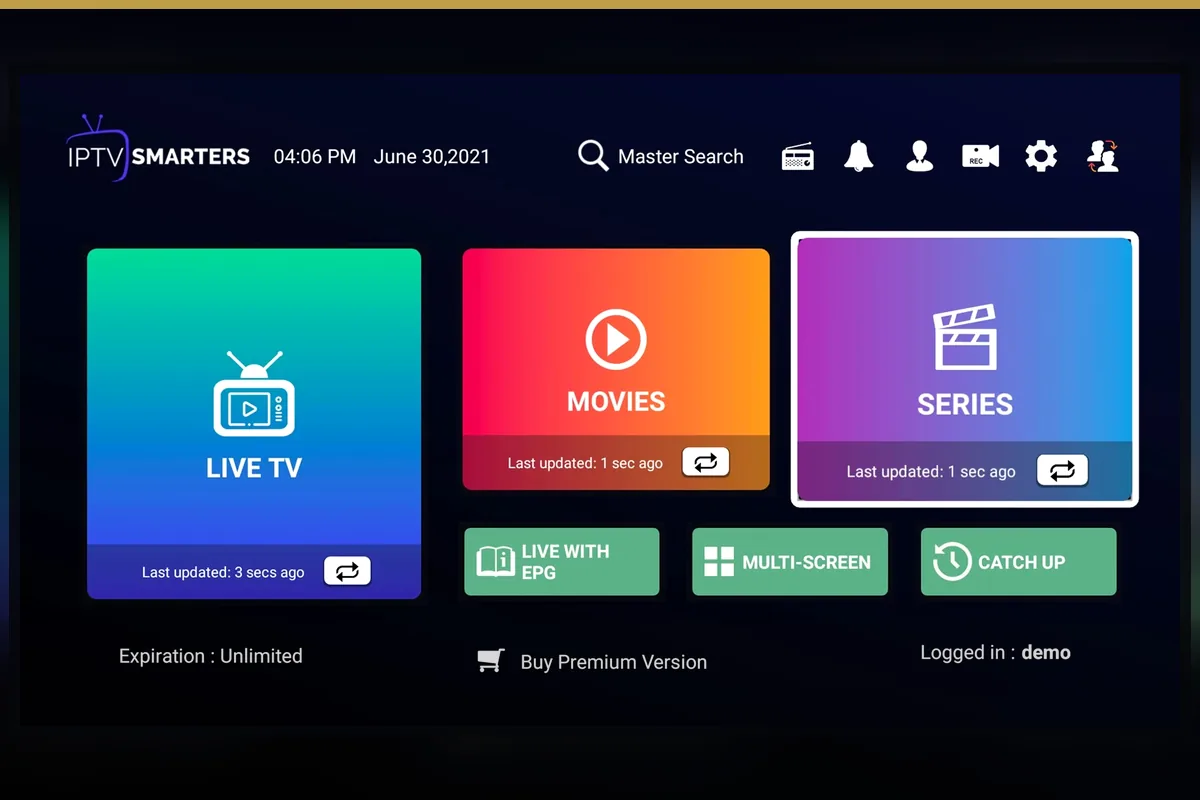
Steps for buffering checks
Test one other source and one on-demand title before changing settings. Compare the result on the normal network and a stable wired link where possible. The first useful test should use the normal viewing location, input method and network rather than a quick demonstration on another device.
Action checklist
- Confirm the exact Home Ethernet model and operating system.
- Open a trusted compatible player and verify the supported login format.
- Pause household downloads, note time of day and record whether buffering affects every category or just one.
- Record the result, time and any exact error before changing another setting.
Test the result in everyday use
Pause household downloads, note time of day and record whether buffering affects every category or just one. If the task relates to picture or playback, compare a second live category and an on-demand item. If it relates to an account or guide, verify navigation after closing and reopening the app. These comparisons help separate one source issue from an app-wide or network-wide problem.
Check essential categories in the current service rather than relying on old screenshots, broadcaster logos or a headline count. Live sources, metadata, regional rights and app interfaces can change. A successful test on Home Ethernet is more useful than a general compatibility badge.
If the first attempt does not work
Restart the player once, then gather evidence rather than repeatedly reinstalling it. A wired result helps isolate local wireless interference, but it does not prove every remote source is available. Change only one variable at a time. A player restart is reversible; clearing all app data can remove saved credentials and preferences. If the issue is limited to a third-party app purchase or a crash before login, contact the app publisher or its store.
What to send support
Send the Home Ethernet model, operating system, player name and version, internet connection, approximate time and exact error. State whether the problem affects one item or the whole account. Support can check the account and current availability, but never post a password, complete playlist URL or payment data in a public forum.
For plan selection, compare published subscription prices and related setup information. For account questions, use the private contact route. Use content and software only where you have the necessary rights and where local rules permit it.